
-
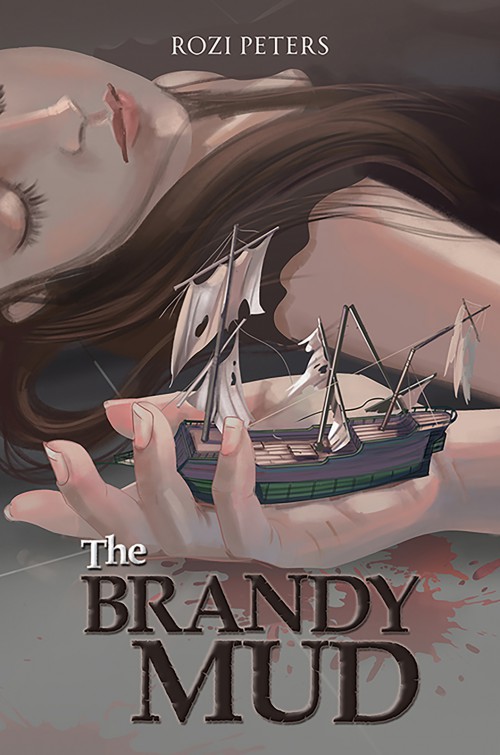
The Brandy Mud
The year is 1840 and the perilous trade of whaling threatens to dash both fortune and sanity against the rocks for seasoned schooner Captain Stanley Knowles. Professionally adrift and beset by passionate entanglements, Stanley charts a course through hazardous waters, seeking to salvage his affairs while clinging to personal morals amidst mounting turmoil.
When ship and shore alike promise danger, every decision carries gut-wrenching risk. Stanley’s path requires outmanoeuvring lethal storms, hostile pirates, political schemes and amorous pitfalls alike with equal dexterity. One false move could reduce all – his principles, his mind, and his crew’s very lives – to flotsam in the winds of fate.
This steamy and exciting historical saga captures the adventures of a desperate captain warring within while struggling to steer crew and lovers toward a better life. Yet time and chance wait for no one. On the waves or in the sheets, one thing is certain: explore forbidden treasures at your own peril, lest the rising tide swallow you whole.
-
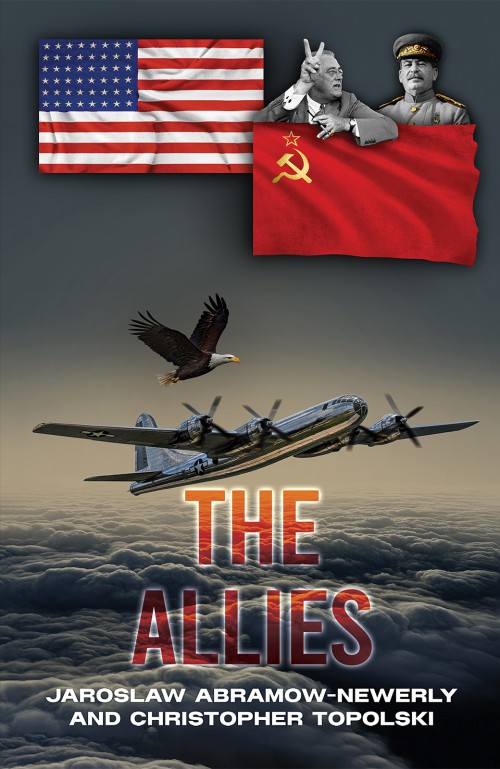
The Allies
This book lay almost half a century at the bottom of an old computer before it was published. At the time, it was considered politically ‘inappropriate’ because it was too ‘anti-Russian.’ It was written in America by two political émigrés, refugees from the communist part of the world, who knew Russia as it really is and always has been, even during World War II, when it pretended to be a faithful ally of the United States.
American pilots, crew members of a B 29 bomber, are hit by anti-aircraft fire during a reconnaissance flight over Japan. They make an emergency landing in USSR territory. It would seem that they are safe on the lands of an ally, but the reality turned out to be frighteningly different.
Although this book is historical fiction and its characters are invented, they are woven into real historical events related to the Manhattan Project infiltrated from within by Soviet spies. During Gorbachev’s ‘thaw,’ Stalin was forgotten, and Russia was to be ‘an example and model of democracy’ from then on. Even then, this book was supposed to be a warning; now it is allmost a wake-up call. Today’s Russia, waging a criminal, aggressive war against Ukraine, Russia of Vladimir Putin, with its troll farms, armed green men, murdering disobedient citizens in labor camps, poses an even greater threat to the entire free world.
-
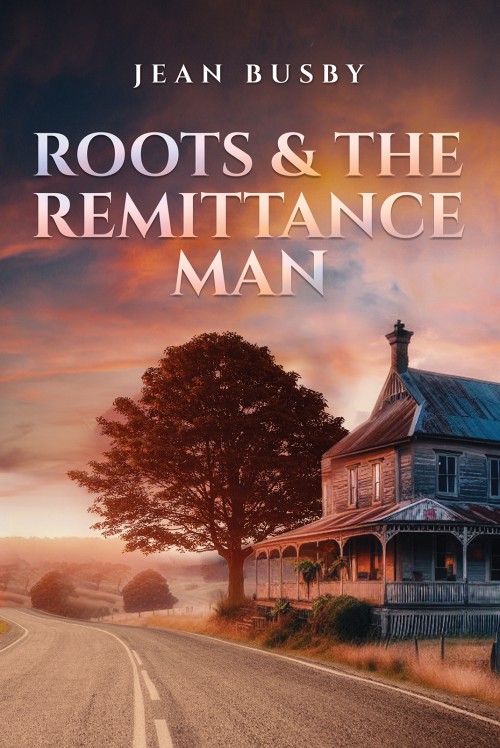
Roots & the Remittance Man
In Roots & the Remittance Man, a captivating historical fiction, we follow a diverse family tree as its branches converge in the Carrot River Valley of the Northwest Territories in 1902. From Sweden, Muskoka, and Iowa, these intrepid settlers make their way to homestead near Melfort, Saskatchewan.
A Scottish family, burdened by loss from an epidemic, travels by wagon train, finding salvation in a Cree chief. In Sweden, tragedy strikes, and a widowed wife and her daughters board a cattle ship for Halifax. They arrive in Winnipeg, accept a cook position at a Melfort hotel, and embark on a grueling journey through forest and muskeg.
A young Norwegian man walks 700 miles to the United States-Canadian border, immerses himself in Indigenous history, and follows a freight swing to his homestead. Settlers and Indigenous peoples unite against prairie fires, forging bonds that transcend their differences.
Through decades, the family experiences joys and sorrows, weathering the storms of two World Wars, prohibition, swamp fever, the Ku Klux Klan, and the Great Depression. As technology advances, women gain the right to vote and become legally recognized as persons.
At the outset of World War II, a remittance man from Scotland enters the picture, his life becoming significantly entwined with the descendants of these resilient pioneers. Roots & the Remittance Man is a sweeping tale of perseverance, unity, and the indomitable human spirit that shaped the Canadian frontier.
-
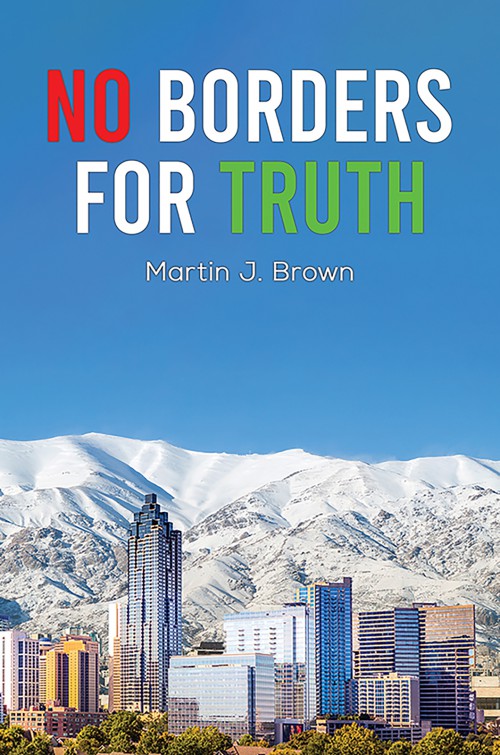
No Borders for Truth
Two disparate souls, a young Iranian woman with a promising nursing career, and an American collegiate athlete seeking a career in the intelligence field, meet by happenstance. Realizing their mutual passion to serve others, the two connect intellectually and romantically, not knowing they are both connected to secrets that will force their worlds to collide and reveal truths unknown to not only both of them, but also the world.
No Borders for Truth explores love and loss within family and country, and the richness of the great people of the enduring nations of Iran and America. Through the characters of Richard Holmes and Shideh Ghasemi, the reader peers through a window of real people sharing human commonalities despite culture differences, transcending current stereotypes and biased cultural assumptions.
-
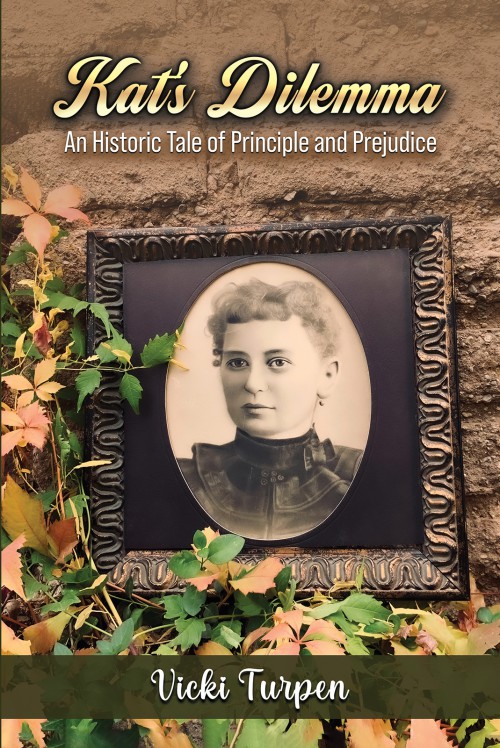
Kat's Dilemma
Kat’s Dilemma is a work of fiction. Created out of bits and pieces of research into the social and cultural challenges encountered by women and men in America at the turn of last century. Only two of the characters are based on real life people in the history of my family. Katherine Gehm was my great grandmother. Some of the known family incidents and resulting emotions are reflected in the character Kat.
Johann Wuenderlich was a young German Lutheran who immigrated to the US, converted to Methodism, and returned to Germany to introduce and spread that Christian sect. A memoir of his experience came into my possession, was translated by my daughters, and provides the basis of some of that character’s words and actions.
The US Constitution and Bill of Rights were meant as a foundation of government for all American citizens. But, the men and women of that era (and ours), influenced by societal norms or religious dictates, have never fully understood its real meaning. Therein lies the promise and the struggle between principle and prejudice in Kat’s Dilemma.
-
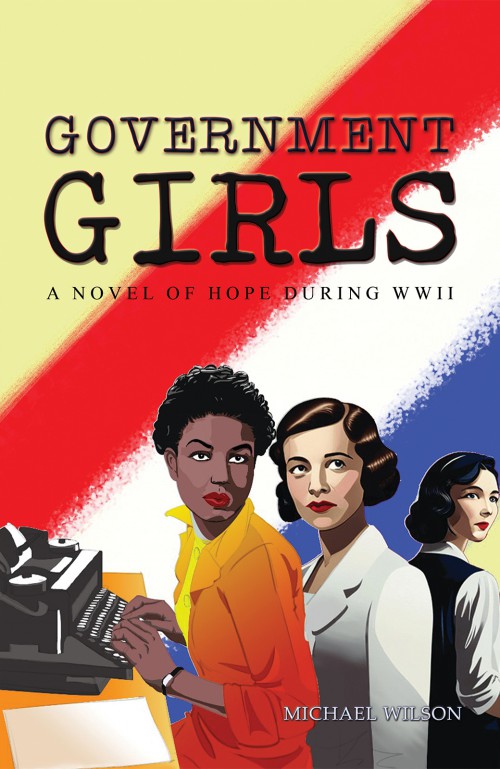
Government Girls
It’s 1942, and best friends Mary and Marge leave their teaching jobs behind in Iowa to move to Washington D.C. to work for the FBI. Excited yet apprehensive, neither of them could anticipate the rapid changes the war will bring into their lives.
Arriving at Union Station, they meet Dotty, a quick-witted woman who left her all-girl band in New York City in search of new opportunities. Despite rampant racism, Dotty manages to find a clerical job with the government, thanks to her prized possession - a typewriter.
The three women band together, renting rooms in a run-down mansion that operates as a restaurant and boarding house. Under the same roof lives Natalie, an eccentric artist trying desperately to sell her screenplays and achieve her Hollywood dreams.
As Mary and Marge begin their demanding fingerprint filing jobs at the FBI, they find themselves growing increasingly vulnerable, but also courageous, in the face of a world ruptured by war. The four women couldn’t be more different, yet they forge an unbreakable bond confronting rapidly shifting social conventions and opportunities for women.
-
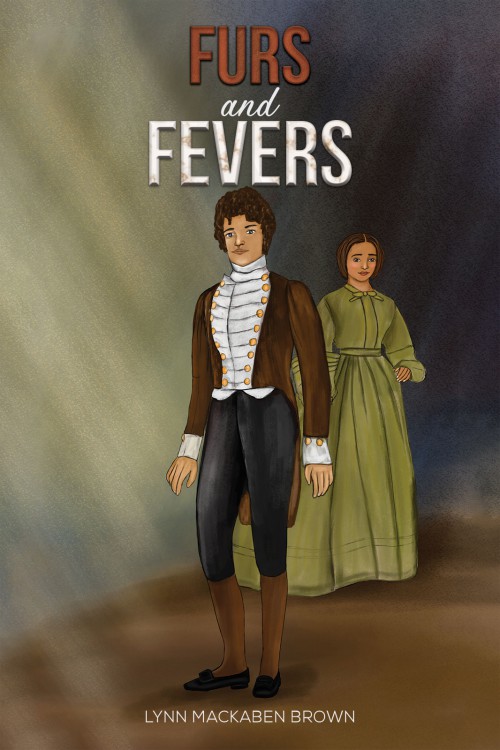
Furs and Fevers
Don’t mistake this for dry history! Lynn MacKaben Brown’s Furs and Fevers offers the reader a view into a long lost and mostly forgotten world—a world where Indigenous tribes interact with French-Canadian trappers and traders, while their way of life is unravelling under the pressure of American expansion into Indiana. The characters are historical, and their interactions follow the historical records available thanks to Brown’s exhaustive research.
The author has a gift for placing believable and compelling words in the mouths of those long dead and weaving it all into a story that keeps the reader entranced. Along the way, without noticing, that reader receives an education into the systems and politics of Indiana and the frontier in the early part of the 19th century.
There is plenty within these pages to challenge you, and controversial actions that leap out of their hoary context and force you to contend with your contemporary judgements and worldview. The past has dilemmas that can still cause debate today.
“Furs and Fevers is a compelling, enjoyable, and highly enlightening read that I envy you the initial discovery experience that is now, sadly in my rear-view mirror. Savor it!”
Brian Hogan, direct descendent of Dominique Rousseau.
“Lynn enthusiastically embraces the concept of history as a story. She combines bulldog determination to unearth truth with her interpretation of events. Then she re-creates the multicultural, time-honored role of tribal historian/storyteller. And who doesn’t love a good story?”
Sigmund Brouwer, author of The Last Temple.
-
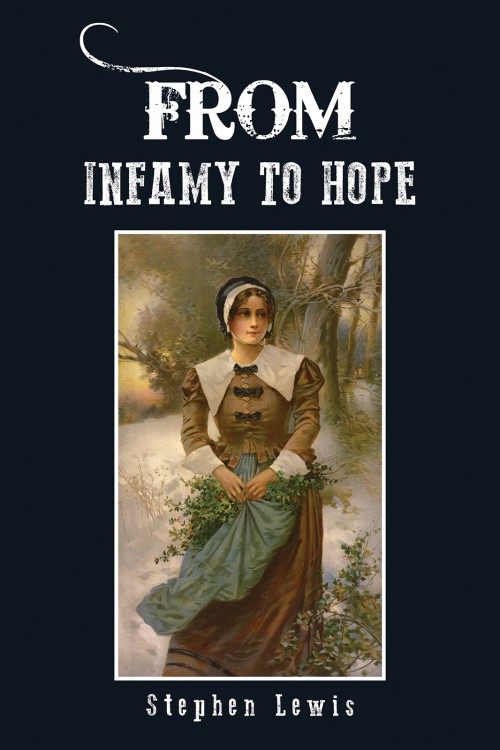
From Infamy to Hope
Told in the compelling voice of Rachel Moore, a housemaid in 17th century Puritan Boston and featuring that colony’s two most powerful figures in Governor John Winthrop and his courageous opponent Anne Hutchinson, From Infamy to Hope is the story of the religious persecution of a servant girl made pregnant by rape. Convicted of fornication, she is sentenced to wear a black W for “whore” on her gown. Over the opposition of Hutchinson, the colony heads into war with the Pequot Indians. Rachel masquerades as a boy soldier, hoping to recover her baby who was sold to the Pequots by her alcoholic father to satisfy a debt.
She is at the war’s final battle when the colonial army burns down the Pequot’s fortified village in Mystic, Connecticut. Will she find her baby among the ashes?
Although Hutchinson was ultimately excommunicated and banished, a statue in her honor now stands before the State House in Boston, and a parkway bears her name in New York near where she died in another Indian war. Her descendants include F.D.R., the Bushes, as well as Mitt Romney. The present day Pequots now run Foxwood Casino near the site of the massacre in Connecticut.
-
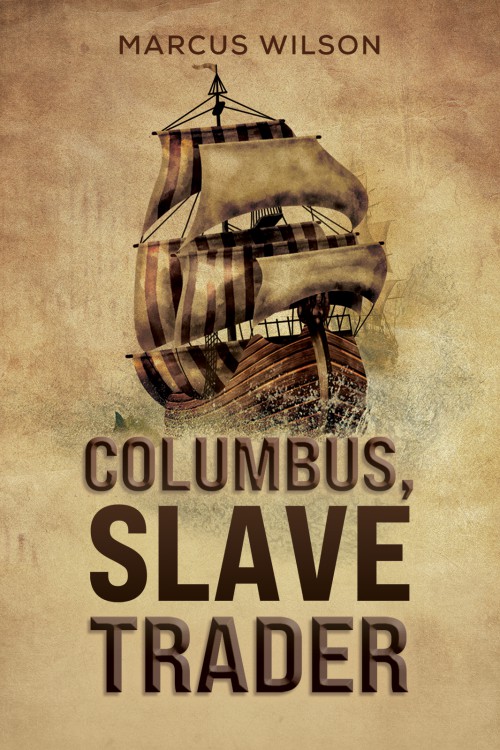
Columbus, Slave Trader
Columbus, Slave Trader delves into an eye-opening exploration of history as it uncovers a seldom-told truth: the initial transatlantic slave ships did not traverse from Africa to America with captive Africans. Instead, the journey took a different, darker turn. The very first slave ships embarked from the New World to Europe, carrying a harrowing cargo of 500 captured Native Americans. Their enslaver? Christopher Columbus himself.
As the narrative unfolds, we confront the chilling reality of this early chapter in the slave trade, where these Native Americans, originally destined for Seville’s slave auction, endured unimaginable hardships. Only 80 would emerge as survivors, highlighting the heart-wrenching toll of this historic voyage.
Columbus, Slave Trader is a stark, essential and accurate historical fiction account that challenges prevailing narratives, shedding light on a pivotal moment in history and reevaluating our understanding of Columbus as not just an explorer but also a slave trader.
-
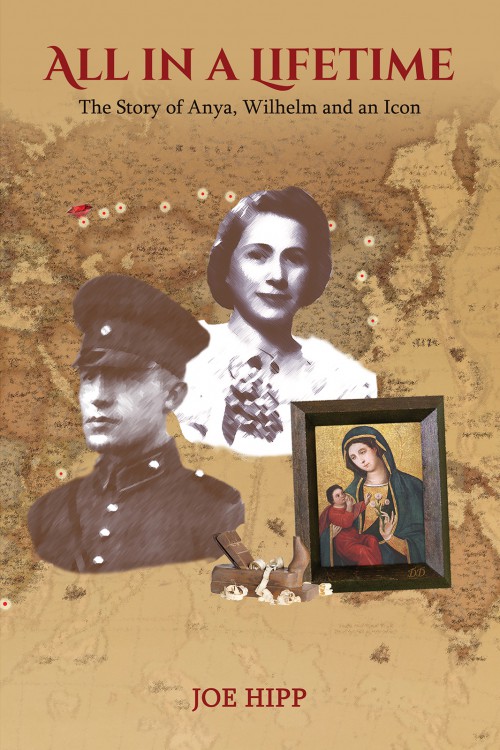
All in a Lifetime
It has taken over 40 years to piece together the story of Anya, Willi, and the Icon, like trying to put together a priceless Faberge egg shattered intentionally without a clue as to how it once looked. Anna (Anya) and Wilhelm (Willi) lived in a small German village when we met half a century ago. Their remarkable life stories are the heart of this novel. Real life has many detours and contradictions, each piece of their stories led to another story. An Icon hung on the wall of the entry to their home and it was there that fact met fiction. Weaving related stories into this novel, preserving the memory of each individual and the times in which they lived, required some manipulation of facts. It is the story of a much-travelled Icon and a treasure (not an ARC “Traveling Treasure”) including the lives it touched. And it is a story of love found late in life.
 Discover
We use cookies on this site to enhance your user experience and for marketing purposes.
By clicking any link on this page you are giving your consent for us to set cookies